
Home / Hemorrhoids
Hemorrhoids
Hemorrhoids, also called piles, fistula, and fissure, have been known for a long time because they cause pain, burning, and bleeding from the rectum, which causes a lot of stress and anxiety. These problems have been around for a long time. Hemorrhoids are really just swollen veins near the anal canal. In Ayurveda, it is called “Arshas” and is described as a very painful disease that causes small, fleshy bumps to grow and blood to leak from the guda or anal canal. orrhoids are called internal or external based on whether they are inside or outside of the anal opening. In Ayurveda, the classification is based on the flow of blood and is hence considered to be of sravi (bleeding) and shushka (non-bleeding) types.
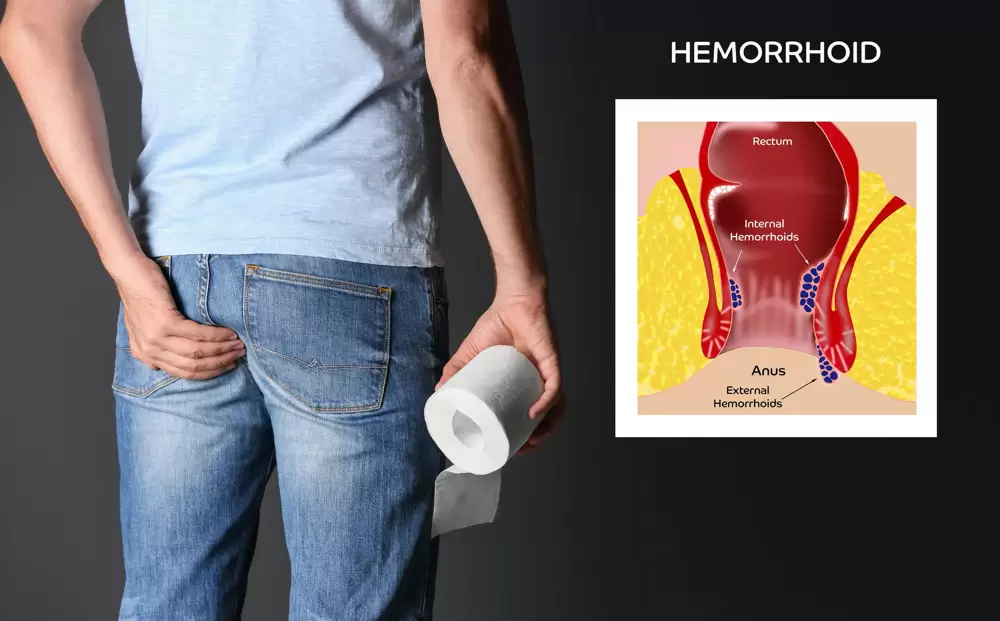
Hemorrhoids can be caused by.
- Hereditary means that it is passed down from parents to children.
- Diet: This is one of the main reasons why people get haemorrhoids and other painful diseases in the anal area, such as fissures and fistulas.
- Predominantly non-vegetarian diet: Stools tend to get hard because there aren’t enough fibrous foods, raw fruits and vegetables, and water in the diet. This puts pressure on the blood-carrying veins in the anal region, which causes them to get bigger.
- Straining (forcing) stools for a long time because you feel like you didn’t get everything out of your bowels causes the veins to get bigger and bleed.
Ayurvedic treatment for Piles aim to address the root causes of piles and provide relief from symptoms. As part of the Arsha treatment, Ayurvedic therapies like Abhyanga, steam, Avagahana (a medicated sitz bath), Lepana (an application), Panchakarmas (like Virechana and basti), and so on are used.
Early stages are easy to treat with herbal medicines and change in your diet. But if a patient is in grade 2 or higher, he or she may have to go through Kshara sutra treatment.
Ayurveda medicines for Piles
Some of the Ayurveda medicine for piles helps stop bleeding, kills bacteria, and makes you go to the bathroom. It helps get rid of the bacteria that can cause a hemorrhoid. It can stop bleeding & helps to clear the bowels. Ayurvedic medicines for piles like Chirabilwadi Kashaya, Kulattadi Kashaya, Abhayrista, Drakshasava, Avipattikara choorna, Triphala guggulu, Arshogni vati, kankayana vati, Laxifit powder, etc. can be taken after consulting with and being checked by an Ayurveda doctor.
Piles
Piles or haemorrhoids is one of the most common ailments today. It is a varicose and often inflamed condition of the veins, inside or just outside the rectum. In external piles, there is a lot of pain but not much bleeding. In the case of internal piles, there is discharge of dark blood. In some cases the veins burst and this results in what is known as bleeding piles. The primary cause of piles is chronic constipation and other bowel disorders. The straining in order to evacuate the constipated bowels, and the pressure thus caused on the surrounding veins leads to piles. Piles are more common during pregnancy and in conditions affecting the liver and upper bowel.
Fissures
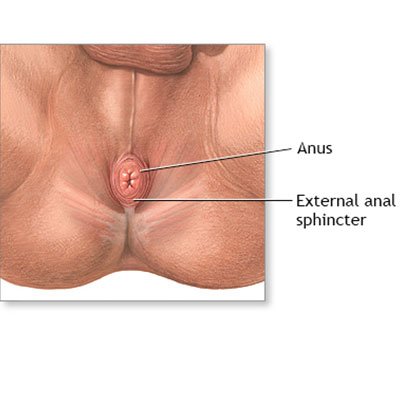
Hemorrhoids are varicose veins of the rectum and fissures are tears surrounded by the rectum. Surgery is the only cure for hemorrhoids and fissures may heal on their own but repeatedly require surgery. Fissures are a little different. They are cracks around the anal sphincter. The cracks can be small but can also be large adequate to bleed. These usually heal on their own depending on whats causing them. If explosives bowel movements are tear things up then they control that and the fissures will heal. If it’s rough anal sex you stop and next they heal. I’ve only hear of one case where the cracks be so wide and deep that it needed sutures.
Fistula
Fissure and Fistula are two of the major anorectal problems of humans. These problems arise from inappropriate eating habits and bad lifestyles. Fissure is actually an unnatural crack or opening in the skin of the anal canal, while fistula is described in medicine as an abnormal connection or passageway between two epithelium-lined organs or vessels that normally do not connect. In case of acute fissures, severe periodic pain may be felt after defecation. However, the force of fissures pain reduces with chronic fissures. Anal fissures generally expand from anal opening and are usually positioned posterior in the midline.

Its depth can be sometimes superficial or down to the original sphincter muscle. On the other hand, the fistula is a form of bodily cavity that burrows under the skin or mucous membrane and has an opening at both ends. A fistula may lead from one cavity to the other cavity of the body, or else it may open out from one cavity to the surface of the body. A fistula is basically like a cut in or around the anal channel and mucus membrane. Further, it mostly sprains while passing stool during severe constipation or chronic dysentery. However, modification in food and work habits can help preventing both fissure and fistula.